
"Snow veins"
300 article(s) found

Fragrant and authentic Bolivian Coffee Flavor; introduction to the characteristics of boutique coffee beans in the manor area
I remember that the admirable champion bean in 2007 was Coffee Manor, but her score was overtaken by the 2008 champion Caf de Cordillera, when the international judges gave it a high score of 92.03. in 2009, Takesi Snow vein Manor got a score of 93.36, surpassing the champion of 2008, and the bidding price was as high as US $35.05. it was the highest bid in the CoE national competition in 2009! Osher has been for three years in a row

Introduction of Bolivian coffee beans with delicate and smooth touch, sweet aftertaste and long-lasting aroma
I remember that the admirable champion bean in 2007 was Coffee Manor, but her score was overtaken by the 2008 champion Caf de Cordillera, when the international judges gave it a high score of 92.03. in 2009, Takesi Snow vein Manor got a score of 93.36, surpassing the champion of 2008, and the bidding price was as high as US $35.05. it was the highest bid in the CoE national competition in 2009! Osher has been for three years in a row

The taste of long-lasting boutique Bolivian coffee introduces Yongas, northeast of La Paz.
Dry aroma: a variety of flowers, sweet vanilla, full aroma, sweet spices, wet honey: floral, refreshing perfume, sweet chocolate, berry sips: many kinds of flowers, excellent cleanliness and fineness, advanced vanilla sweet, delicate sugar, peach, apricot, sour and sweet, advanced Burgundy red wine, vanilla, green apple, white grapefruit, essential oil aroma, fine touch

Introduction to the Flavor and taste of Bolivian Coffee
Bright and vibrant coffee. Dry aroma is an unusual nutty aroma, somewhat similar to peanut butter. The wet aroma has aromas of vanilla and flowers. The palate is delicate, with apple sweetness and flavors of chocolate and vanilla. Dry aroma (1-5): 3.6 wet aroma (1-5): 3.7 acidity (brightness) (1-10): 8.8 taste (layered) (1-10): 8.6 mouths

Introduction to Bolivian Coffee Manor with various flowers, sweet vanilla, full aroma and sweet spices
I remember that the admirable champion bean in 2007 was Coffee Manor, but her score was overtaken by the 2008 champion Caf de Cordillera, when the international judges gave it a high score of 92.03. in 2009, Takesi Snow vein Manor got a score of 93.36, surpassing the champion of 2008, and the bidding price was as high as US $35.05. it was the highest bid in the CoE national competition in 2009! Osher has been for three years in a row
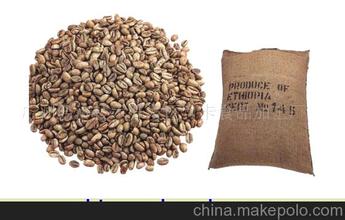
Introduction to the method of Variety treatment in Coffee Bean Flavor description region of Colombia sierra navada
Columbia sierra navada Coffee Bean Flavor description Variety treatment method introduces the pure taste of Colombian coffee, which comes from Colombia's natural environment with the most favorable conditions for coffee growth. But beyond that, it is inseparable from the hard work of local growers. In Colombia, the planting area of coffee has reached 1.07 million hectares, with about 302000 coffees in the country.

Introduction to Bolivian Coffee Flavor Coffee beans in Bolivian Coffee Manor
In the past, most of the coffee in Bolivia was of mediocre quality, but in recent years, the production of boutique coffee has developed rapidly, and there have been a lot of pretty good beans. In recent years, the COE (Cup of excellence) system, which was first implemented in Brazil, has become more and more popular. Bolivia has also introduced this system, which can stimulate the enthusiasm of coffee farmers on the one hand and improve it on the other.
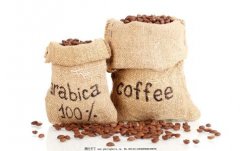
A brief introduction to the description of taste and aroma characteristics of Bolivian boutique coffee beans with balanced taste
The goal of planting coffee in the whole Takesi manor is 200ha, but only 13ha is planted and harvested very little Typica species, and the annual yield is only 120bags. This is not only fine agriculture, but also a farming model that respects nature. Takesi is the name of the local natives, the place name and the snow water from the mountains, also known as Takesi. After the publication of the 2009 CoE final, Takesi is no longer without.

A brief introduction to the planting market price of high-grade vanilla sweet Bolivian boutique coffee beans
The eastern and central part belongs to the savanna climate, the transition from the western mountain to the subtropical climate, and the inland plateau to the mountain climate. The climate in most areas is dry and cool; the annual precipitation decreases from 2000 mm to less than 100mm from northeast to west. [7] Natural resources are rich in mineral resources, including tin, antimony, tungsten, silver, zinc, lead, copper, nickel, iron, gold and so on. Abundant mineral deposits

Introduction to Bolivian coffee with very long-lasting vanilla and honey
Takesi Manor in the Mururata mountains of Sud Yungas, about 100km from the capital La Paz, can only be reached by the Inca ancient road. Here, it is still a branch of the Andes, and the manor belongs to the Agrotakesi SA institution. The whole farm has about 2500 hectares, about 1900 to 3000 meters above sea level. Takesi, which grows coffee, is as high as 2100 meters above sea level, which should be a rare high sea.

Introduction to the characteristics of Bolivian Coffee Flavor Manor
Bolivia's high-quality estates, very high altitude, perennial low-temperature environment, so that coffee fruit growth is slow, tight enough, aroma is also charming, floral aroma is obvious, such as careful handling, cherries with the same maturity, often have a clean and meticulous high-end taste, this elegant vanilla and honey aromas are very attractive, this champion bean has a very diverse floral aroma, vanilla and sweet very long-lasting remember 07

Introduction to Bolivian Coffee Manor, producing area, characteristics and Flavor
Takesi Manor in the Mururata mountains of Sud Yungas, about 100km from the capital La Paz, can only be reached by the Inca ancient road. Here, it is still a branch of the Andes, and the manor belongs to the Agrotakesi SA institution. The whole farm has about 2500 hectares, about 1900 to 3000 meters above sea level. Takesi, which grows coffee, is as high as 2100 meters above sea level, which should be a rare high sea.

Bolivian Coffee Flavor description Variety characteristics of High-quality Coffee beans
The legal capital, the seat of the Supreme Court, with a population of 284000, 2790 meters above sea level. Founded in 1538, the city was formerly known as Chuquisaka. The city witnessed the first uprising in South America against Spanish rule in 1809. Bolivia declared its independence here in 1825 and became the capital in 1826. In 1839, it was renamed Sucre to commemorate the second president of Bolivia, General Antonio Jos é Sucre.

Bolivian Xuemai Manor introduces coffee varieties and flavor boutique coffee beans in producing areas
Bolivia was conquered by Spain at the end of the 15th century and became a Spanish colony in 1538, historically known as Peru, belonging to the governor district of La Plata, Spain. Bolivia was rescued from independence by Bolivar, a national hero from Caracas, Venezuela, during the War of Independence in Latin America in the 18th century, so the country was named after him. On August 6, 1825, it was announced that

Description of Bolivian Coffee Flavor of refreshing Perfume introduction to Fine Coffee
There are mainly light industries such as food processing, wine making, cigarettes, textiles and so on. Mining is an important part of the Bolivian national economy. It is an exporter of mineral products and is rich in mineral resources, including tin, antimony, tungsten, silver, zinc, lead, copper, nickel, iron and so on. It has proven oil reserves of 188 million barrels and natural gas of 1.13 trillion cubic meters. The forest area is 56 million hectares. Coca is grown in Bolivia

Bolivian Coffee Flavor description of Advanced taste introduction of high-quality coffee varieties in producing areas
The advantage of Bolivian coffee lies in its high altitude and excellent varieties of coffee, where the traditional Tibica and a small amount of Kaddura are highly valued in the world market. In the past, coffee trees in Bolivia used to act as hedges and ornaments around the garden. Real commercial production began in the early 1950s. The great frost in 1957 seriously damaged Pakistan.

Introduction to the Fine Coffee Bean Manor with the characteristics of Bolivia Coffee Variety producing area
In the past, coffee trees in Bolivia used to act as hedges and ornaments around the garden. Real commercial production began in the early 1950s. The coffee industry in Brazil was seriously damaged by the great frost in 1975, while Bolivia (Bolivia) benefited from it and developed rapidly. The origin of Bolivian coffee: Bolivian coffee at an altitude of 180 Muhami 670 meters.

Introduction to the Flavor and Taste characteristics of Bolivian Coffee Manor
In 1932, the Chaco War broke out between Bolivia and Paraguay for oil resources in the North Chaco region. Bolivia was defeated and lost a large area of territory. The people's armed uprising broke out in April 1952, and Paisdensolo, leader of the nationalist revolutionary movement, became president. Since then, there have been frequent military coups and long-term political instability. Modern assets with South American characteristics were restored in October 1983

Introduction of Bolivian Coffee Variety with dry aroma of almonds
Takesi Manor in the Mururata mountains of Sud Yungas, about 100km from the capital La Paz, can only be reached by the Inca ancient road. Here, it is still a branch of the Andes, and the manor belongs to the Agrotakesi SA institution. The whole farm has about 2500 hectares, about 1900 to 3000 meters above sea level. Takesi, which grows coffee, is as high as 2100 meters above sea level, which should be a rare high sea.

Bolivian coffee producing area with floral scent and refreshing perfume introduces Yongas, northeast of La Paz.
Takesi Manor, drinking water and coffee after harvest treatment, using alpine melting cold snow landscape, so we give her a nickname: Takesi Snow vein Manor; in addition to low temperature, pollution-free environment, fertile and well-drained volcanic soil, is also an element of coffee flavor, although the owner of Agrotakesi SA is rich, but deep respect for nature and the way to get along, but